Fungi Blocks for Fresh Crops

Fungi Blocks for Fresh Crops
Grant Type
Annual Grant
Project Status
Active
Award Period
FY2026
Awarded Amount
$88,200

Project Description

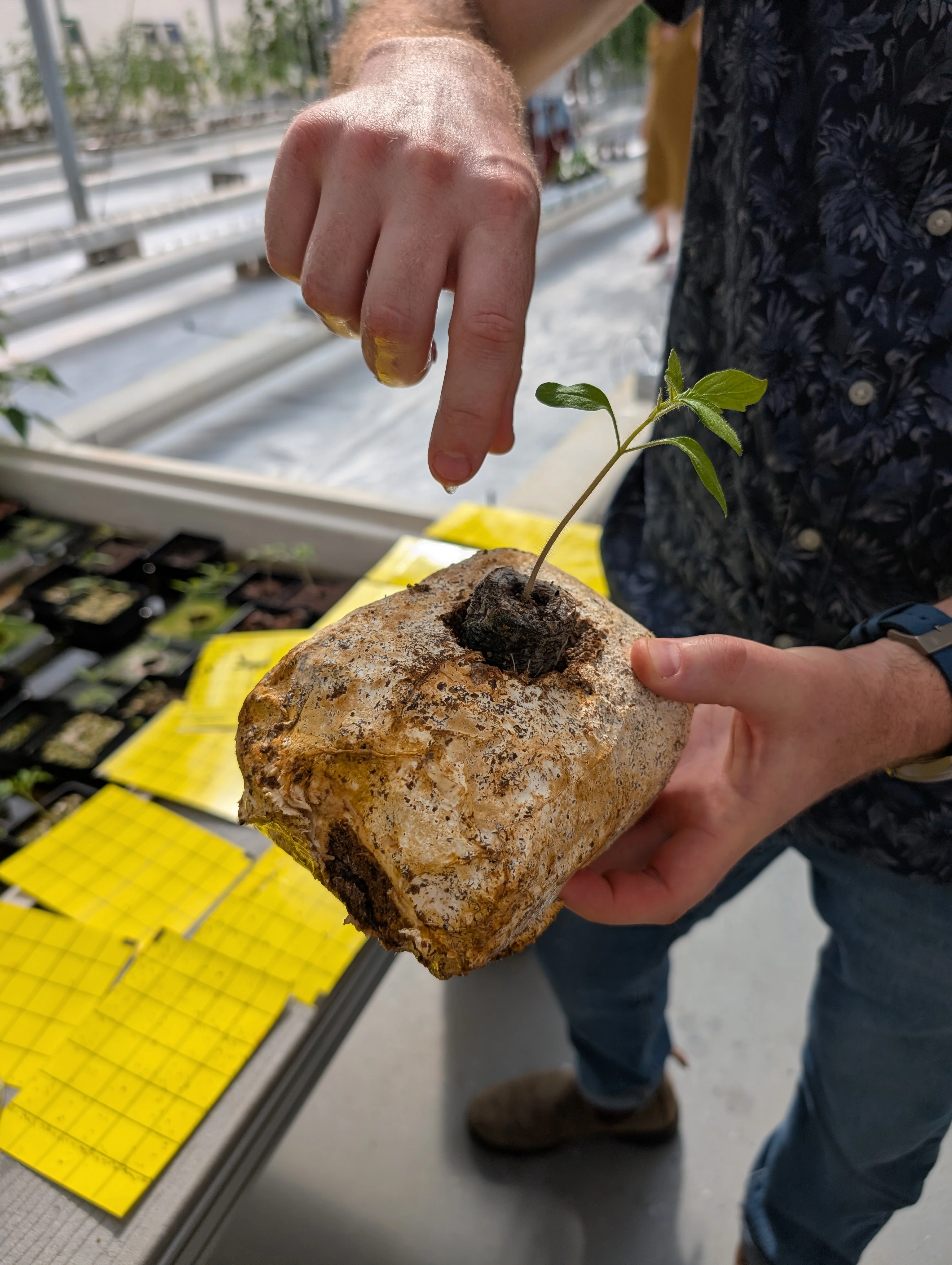
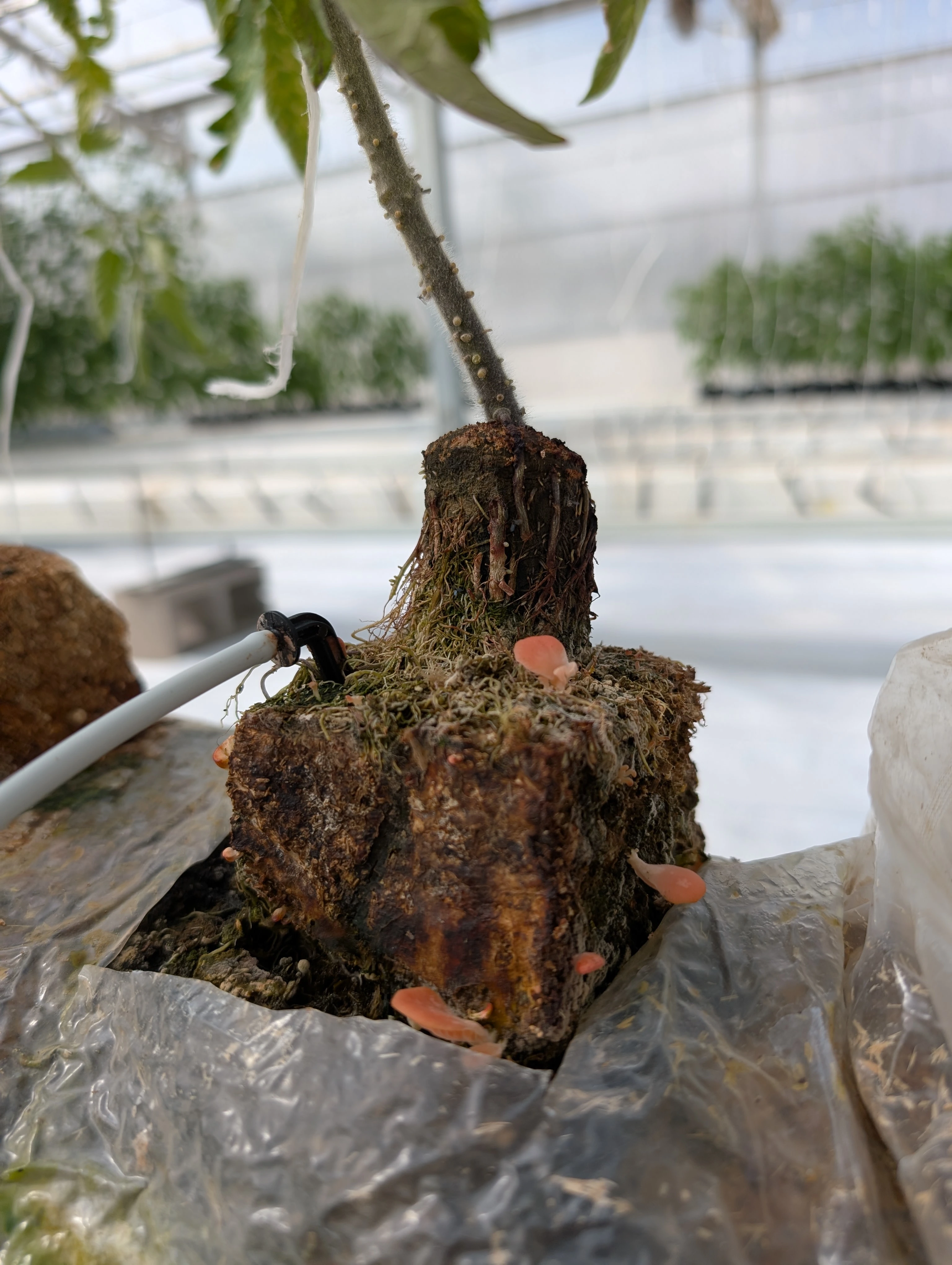
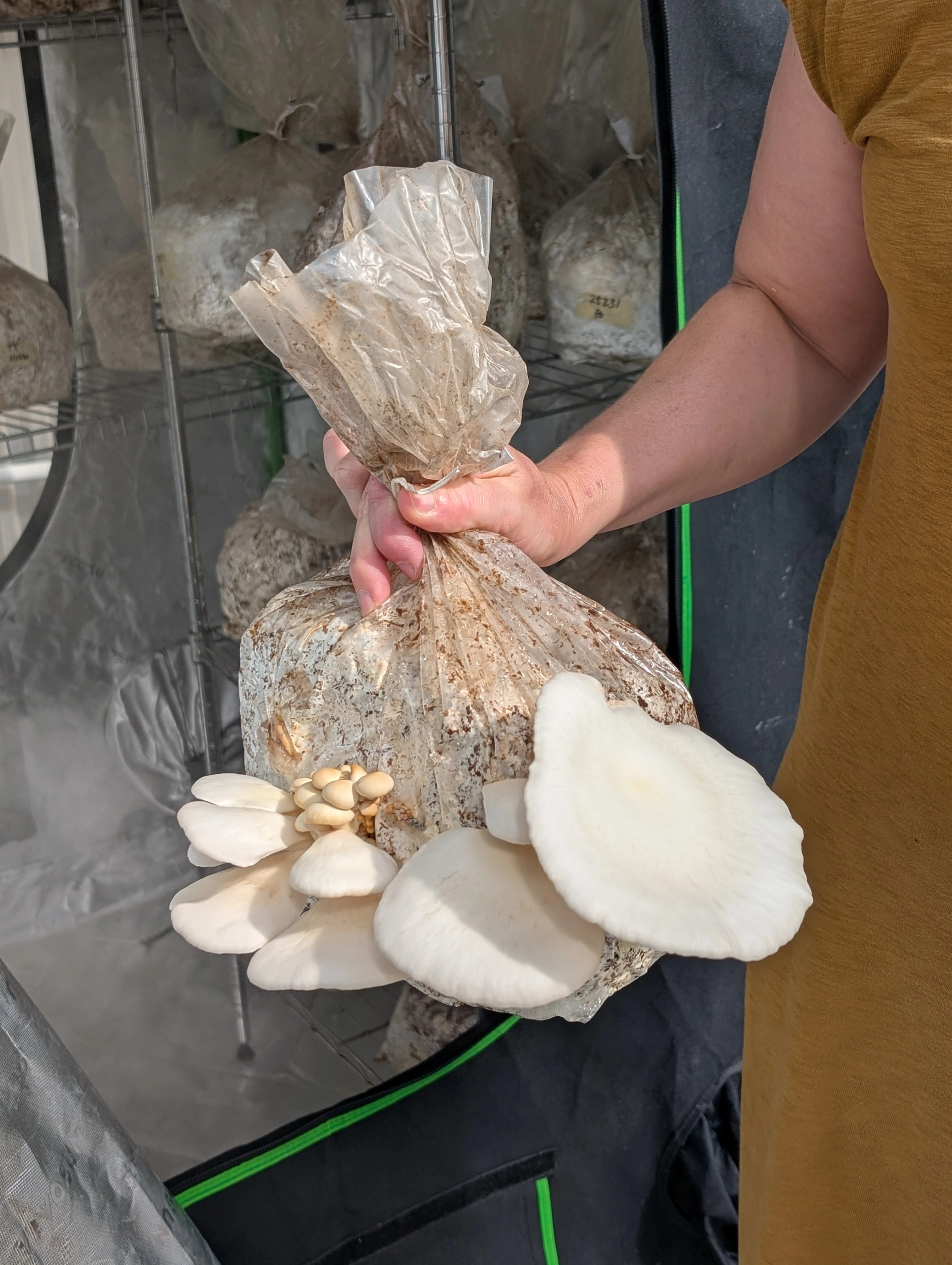
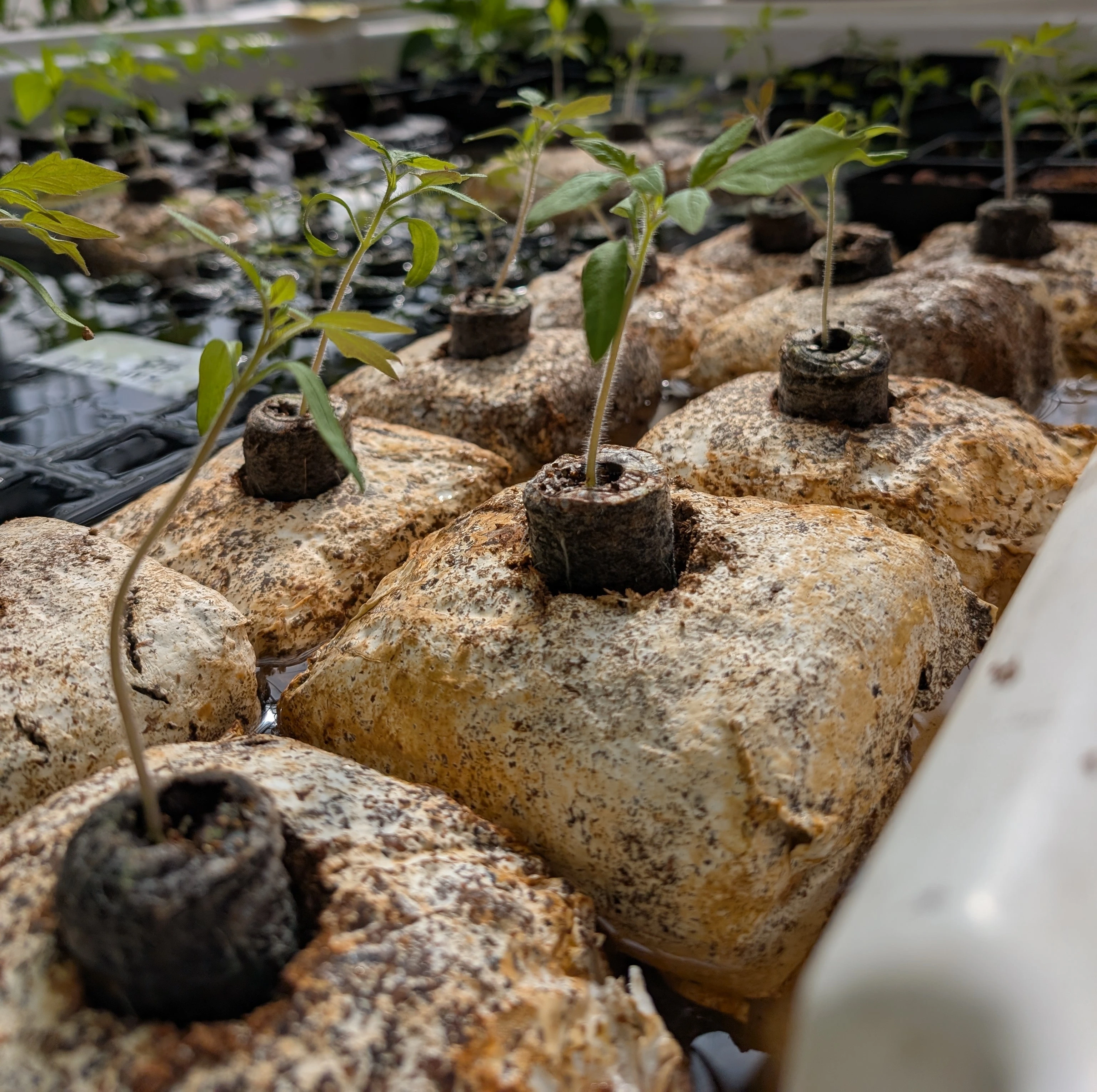
The Teaching Greenhouse (TGH) provides hands-on learning and showcases sustainable food production, and several hundred pounds of fresh produce are harvested each week. However, the TGH currently relies on a non-renewable and non-compostable soilless substrate called rockwool to sow seeds and grow plants. This substance is mined from lava rock, requires a lot of energy to produce, and cannot be reused. Fungi Blocks for Fresh Crops tackles this problem by teaming up with the Mycology Lab and the Controlled Environment Agriculture Center (UA-CEAC) to develop a sustainable substrate using mushroom mycelia grown from local agricultural waste, establishing a bio-circular system that minimizes waste and enhances local food production. These fungi blocks will be used to grow fresh produce in the TGH with opportunities for education demonstrations and comparisons with rockwool substrate.  

The Fungi Blocks for Fresh Crops project provides many opportunities for student leadership and engagement through their seven student positions, who will be integrated throughout the entire process. Additionally, TGH is integrated within multiple university classes where students can engage directly with and learn from the research. The wider Tucson community can also profit from this project as UA-CEAC regularly holds tours with local high schools, community colleges, and other local organizations.  

Project Outcomes

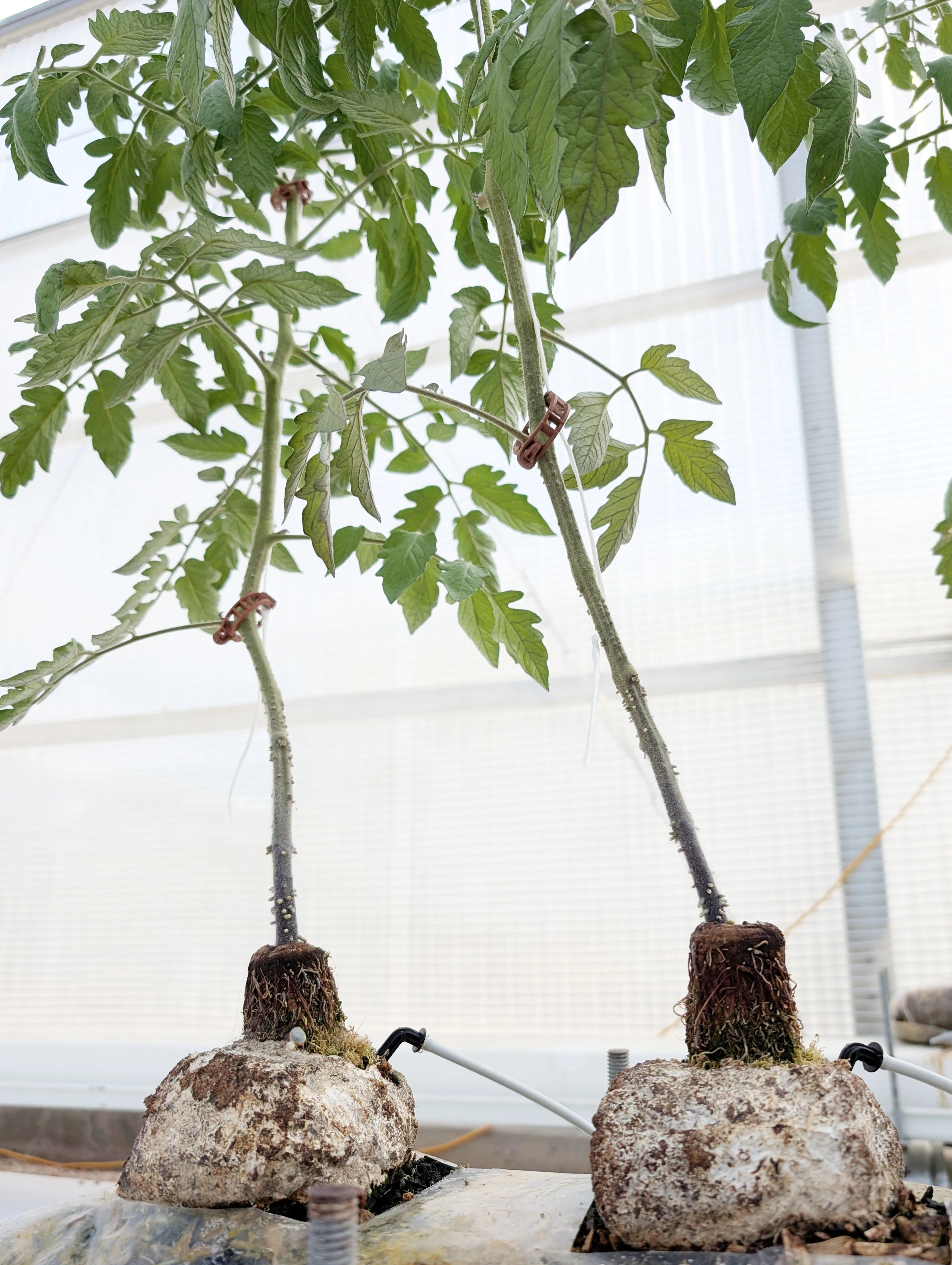
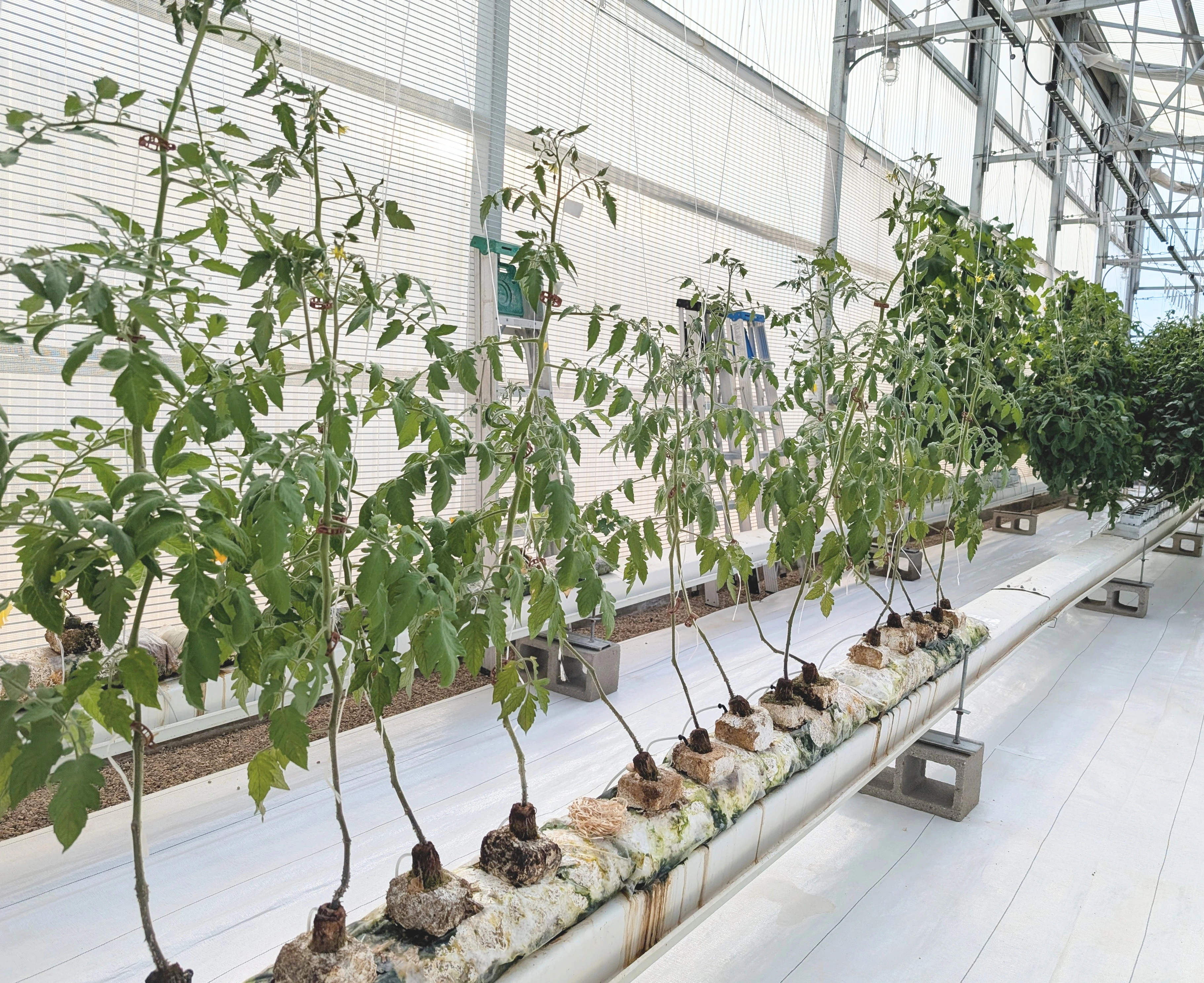
The project team — including five undergraduate students and two graduate students — was extremely successfully in developing bio-circular growing substrates (“Fungi Blocks”) from agricultural waste and mushroom mycelium, eliminating a source of single-use equipment in hydroponic food production while demonstrating a more sustainable approach to greenhouse food production. Produced locally using mushroom substrate, mesquite trimmings, and dried tomato stems, the Fungi Blocks supported the cultivation of 240 plants, accounting for nearly half of the Teaching Greenhouse in the Controlled Environment Agriculture Center (CEAC). The team diverted more than 4,000 pounds of agricultural waste, avoided an estimated 474 pounds of single-use substrate, and reduced direct production costs by more than $2,000. 

The Fungi Blocks were not only a success regarding waste reduction, but also in their ability to grow flourishing plants. The team recorded essentially identical yield (<3% difference) produced to the conventional rockwool substrate! The 240 plants grown in fungi blocks produced a yield of 1,419 pounds. Produce was sold to the Garden Kitchen, Tucson Village Farm market, and the Wildcat Country Market and around 15 pounds a week were donated to Iskashitaa 

The team jumped on the opportunity to showcase less wasteful and local greenhouse agriculture, hosting a grand total of 13 tours that reached 55 visitors and students. Of this total, 195 visitors were from the U of A. The immense success of this project demonstrates that there are alternatives to conventional growing methods, and the team hopes that it will encourage other greenhouse food growers to pursue the adoption of this innovative method. 

The accomplishments of this project enabled a path to continue making fungi blocks to grow fresh crops at the Teaching Greenhouse, and agriwaste has already been collected and stored for next years’ fungi blocks.

This innovative project was featured on local news. Read about the successes of this project highlighted on this news story, or watch the story here!

A group of nine people smile and pose together in front of a tree

Department

Biosystems Engineering

Project Manager

Triston Hooks

Project Manager (secondary)

Bree Gomez

Categories

Sustainable Sourcing
Waste Reduction

Supporting Documents