

CAPLA to host Indigenous Design Symposium focused on community, sustainability

Read the full article on CAPLA The Studio
CAPLA’s Indigenous Society of Architecture, Planning, and Design (ISAPD) student chapter will host an all-day symposium Monday, April 6, bringing students, faculty and practitioners together to explore Indigenous approaches to architecture, planning and design.
Organized by ISAPD student leaders and faculty advisor Laura Carr, the event will highlight Indigenous design frameworks and create space for dialogue about sustainability, land stewardship and community-centered planning. The symposium is supported by funding from the University of Arizona Office of Sustainability through its Campus Sustainability Fund, and the Office of Native American Advancement and Tribal Engagement.
The event aims to expand awareness of Indigenous knowledge systems in the built environment while connecting Indigenous students and professionals across Arizona campuses.
“This event is a call for community to gather, advance the conversation on Indigenous built environments and design and make space in the profession for what Indigenous students and communities bring to the table,” ISAPD President Lescilia Panzarella said. “We carry knowledge about how to live in relationship and reciprocity with our environments.”
“When looking at how people from other cultures view the world, it differs from an Indigenous point of view, which is more holistic and in touch with the land,” ISAPD Vice President Jonah McCabe said.
The idea for the symposium grew out of a desire to strengthen connections between Indigenous student groups and create a dedicated space for Indigenous perspectives in design conversations.
“I mainly wanted us to gather so we could be in community, exchange ideas and inspire each other,” Panzarella said. “I also wanted to create a platform for our voices and perspectives that Indigenous students sometimes struggle to find within institutions.”
Support from the Campus Sustainability Fund helped make the event possible and allowed organizers to expand the scope of the program.
“The Campus Sustainability Fund board has been incredibly helpful and communicative every step of the way,” Panzarella said. “The process felt collaborative and supportive.”
Throughout the day, four Indigenous practitioners will share their work and discuss how design can support community empowerment, cultural values and environmental stewardship.
“Our hope is to highlight exemplary work in architecture, planning and design while engaging a broad cross-section of the CAPLA and university community in meaningful dialogue,” Carr said. “Participants will see how Indigenous designers collaborate with communities through frameworks that recognize cultural, environmental and social dimensions of sustainability.”
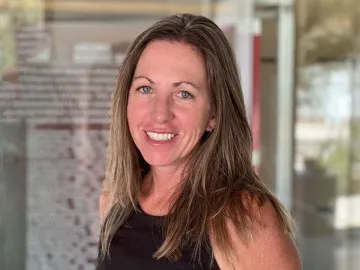
Laura Carr
Carr, a senior lecturer at CAPLA, said the symposium will emphasize collaborative and community-driven design processes that draw on local knowledge and long-standing relationships with place.
“Tribal communities continue to steward traditional ecological knowledge and deep cultural connections to land and place,” she said. “These perspectives show the power of participatory design processes that allow communities to guide development in ways that reflect their cultural values and exercise Tribal sovereignty.”
For organizers, success will ultimately be measured not only by attendance but by the conversations the event sparks.
“If even one person leaves the symposium with a deeper sense of curiosity, understanding or responsibility toward the land, then I would consider the event a success,” Panzarella said.
The symposium is open to students, faculty and community members interested in the intersection of Indigenous knowledge, sustainability and the built environment. Organizers hope the event encourages attendees to rethink their relationship to land and consider how design can support long-term environmental and community well-being.
“I hope attendees learn how these Indigenous practitioners combine their culture with their designs and why it’s important,” McCabe said. “I hope people learn the importance of sustainable design and how Indigenous professionals are creating these spaces.”